For most of my working life, I have carried a small notebook. Not the one my editors saw. Not the one that produced the byline. The other one — the private one — into which I copied the details that did not fit the story: the way a widow’s hand shook when she signed the affidavit, the smell of a mechanic’s workshop in Oshodi at dusk, the specific silence that fell in a cabinet room when a difficult truth was finally spoken.
This blog is, in a sense, the public version of that notebook.
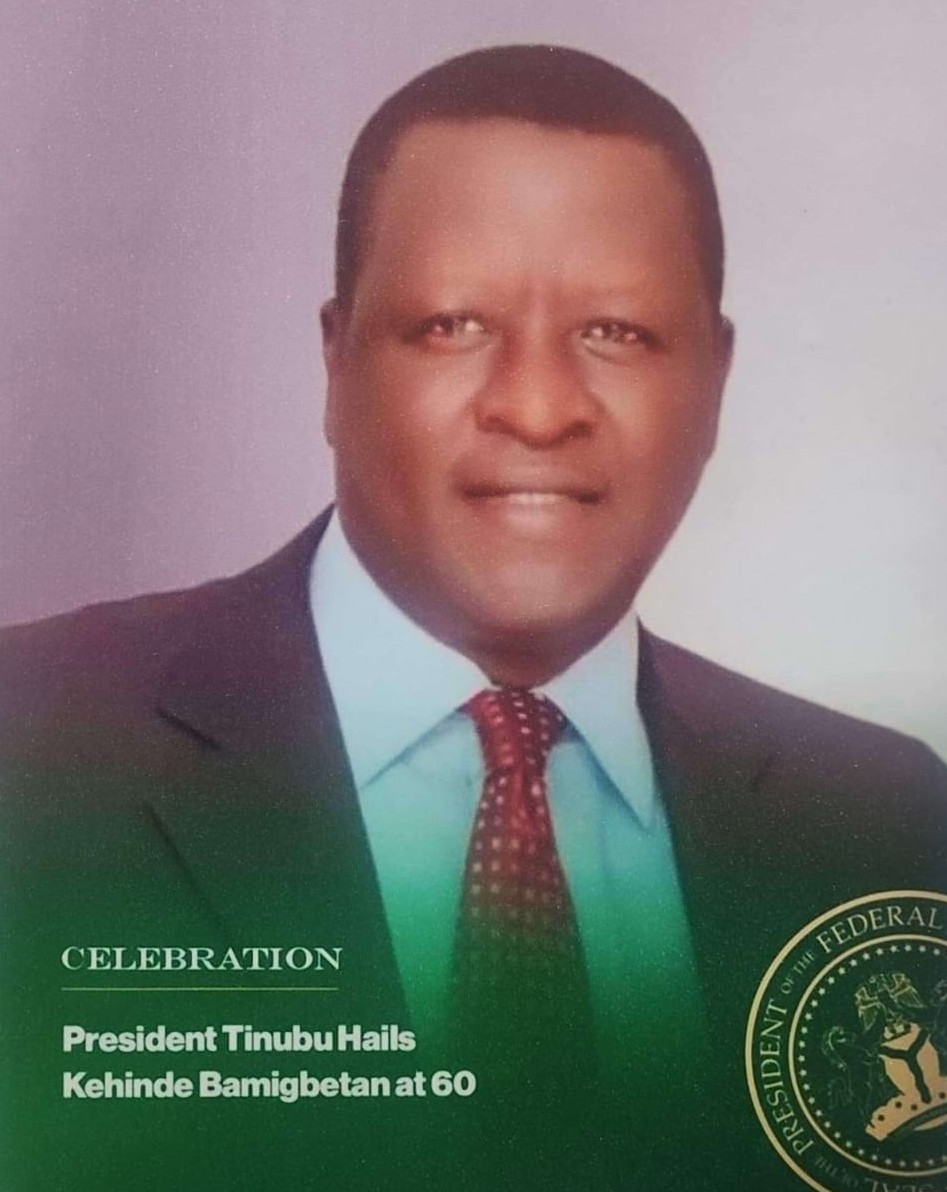
After four decades in Nigerian journalism, two terms as Chairman of Ejigbo LCDA, service as Chief Press Secretary and later as Honourable Commissioner in Lagos State, and now as Special Adviser to the Honourable Minister of Solid Minerals Development, I have arrived at an age — sixty-one this year — when the observations begin to weigh more than the ambitions. I have decided to write them down before the details soften.
What You Will Find Here
You will find essays on governance from a man who has sat on both sides of the desk. You will find reflections on the craft of journalism from a reporter who never fully stopped being one, even when the title on his door said Commissioner. You will find field notes from Ejigbo — a suburb that taught me more about power than any university seminar ever did. You will find letters to young journalists, tributes to organisers whose names never made it into the headlines, and the occasional walk through a Yoruba proverb that our contemporary political class has forgotten it inherited.
Some pieces will be long. A few will be short. None, I hope, will be dishonest.
What You Will Not Find
You will not find breaking news. There are better platforms for that, including Echonews, the community newspaper I founded in 2018 to serve Ejigbo, Isolo, and Oshodi. You will not find partisan endorsements — I have deliberately kept this space as free of campaign advocacy as a man of my history can. You will not find manufactured outrage. The country has enough of that, and I have contributed my share elsewhere.
What I hope you will find, instead, is the slower pleasure of considered thought — the kind of writing that assumes the reader has time, patience, and the willingness to disagree.
An Invitation
I write these essays for four kinds of readers.
For the young journalist, who is trying to build a career in a profession whose rules have shifted beneath her feet. I have made most of the mistakes she is about to make. She may as well benefit from them.
For the community organiser, who suspects that grassroots politics is worth doing but cannot yet articulate why. It is worth doing. Ejigbo taught me so. This blog will try to teach you.
For the public servant, who suspects that the machinery of government is more subtle than his political science textbooks suggested. It is. These pages will offer, from the vantage point of one who has served, a few private observations rarely committed to print.
And for the general reader — the citizen — who simply wants to think, alongside a fellow citizen of his country, about the questions that matter more than the news cycle admits. You are the reader I most hope to find here.
A Word on Frequency and Comments
I intend to publish roughly one essay every fortnight. Some will arrive on schedule. Some will not. I am, as I write this, still learning the discipline of the blog after a career built around printing deadlines.
Comments are open, moderated, and taken seriously. I read them. I do not always reply — my correspondence has grown faster than my typing — but the thoughtful reader will find, in the weeks that follow her comment, that her argument has quietly changed the shape of a later essay. That is the compliment I pay to careful readers.
A Small Confession
I do not know, exactly, what this blog will become. It began as a folder on my desktop marked “Things I Have Been Meaning to Say.” It has grown into something a little more organised than that, but not yet entirely respectable.
That, I have come to believe, is the honest condition of any serious writing project at its beginning.
Welcome. Sit down. Take your time.
There is coffee on the table, and there are proverbs on the wall, and there is a great deal we still have to say to one another about the country we have inherited and the one we intend to leave behind.
Leave a Reply